Know The Form of Your Fish Oil Before Consuming
Know The Form of Your Fish Oil Before Consuming
The Omega-3 Aging Paradox: Why Fish Oil Fails and How to Fix Your Fat Profile
You're taking fish oil religiously, but your inflammation markers are still elevated, your brain fog persists, and your joints ache. The problem isn't that omega-3s don't work—it's that most fish oil supplements are oxidized, poorly absorbed, or in the wrong ratios for your individual needs. In addition, watch out for labels that don't spell out how much EPA, DHA, and the total Omega-3 per serving size.
After age 50, your omega-3 requirements change dramatically, and generic supplementation fails most people.
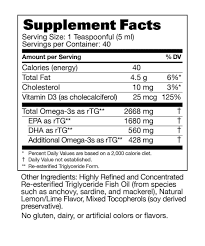
The Omega-3 Crisis After 50
Absorption Decreases
Bile production declines (needed for fat absorption)
Digestive enzymes decrease (especially lipase)
Stomach acid reduces (affects overall digestion)
Intestinal permeability increases (impairs absorption)
Needs Increase
Chronic inflammation becomes systemic
Hormonal changes increase inflammatory signaling
Cellular membrane integrity declines
Brain and cardiovascular protection become critical
Conversion Efficiency DropsThe conversion of plant-based ALA to EPA and DHA becomes even less efficient with age, dropping from an already poor 5-10% to as low as 1-2%.
Why Most Fish Oil Supplements Fail
Oxidation ProblemUp to 95% of fish oil supplements are oxidized before you even open the bottle. Oxidized omega-3s don't just fail to work—they can actually increase inflammation and cellular damage.
Signs of oxidized fish oil:
Fishy smell or taste
Burping with fishy aftertaste
Stomach upset when taking
No improvement in inflammatory markers
Wrong RatiosMost supplements provide 2:1 or 3:1 EPA to DHA ratios, but individual needs vary dramatically based on:
Genetic variants (APOE, FADS genes)
Current inflammation levels
Cognitive vs. cardiovascular priorities
Age and hormonal status
Poor Absorption Forms
Ethyl ester forms (cheapest, poorest absorption)
Missing cofactors (vitamin E, phospholipids)
Large capsules that don't break down properly
Taking without adequate fats for absorption
The Functional Medicine Omega-3 Assessment
Using comprehensive testing, I determine your individual omega-3 needs:
Omega-3 Index TestingThis measures the actual EPA and DHA levels in your red blood cell membranes—the gold standard for omega-3 status.
Target Levels:
Basic health: >4%
Cardiovascular protection: >8%
Anti-inflammatory optimal: >10%
Cognitive protection: >12%
Inflammatory Marker Assessment
AA/EPA ratio (should be <5:1, optimal <3:1)
Inflammatory cytokines (IL-6, TNF-α, CRP)
Oxidative stress markers
Membrane stability indicators
Genetic Testing
FADS1/FADS2 variants (affect omega-3 metabolism)
APOE status (impacts omega-3 cognitive benefits)
COX-2 variants (inflammatory response patterns)
Case Study: Janet, 62
Janet had been taking fish oil for 5 years with no improvement in joint pain or brain fog. Her testing revealed:
Initial Omega-3 Index:3.2% (severely deficient)AA/EPA Ratio:18:1 (highly inflammatory)Key Issues:
Taking oxidized, ethyl ester fish oil
Poor absorption due to low bile production
FADS genetic variants requiring higher EPA doses
Taking with coffee (no fat for absorption)
Personalized Protocol:
High-potency, triglyceride-form fish oil (3000mg EPA, 1500mg DHA)
Digestive enzymes with lipase
Phospholipid form for better brain delivery
Timing with fat-containing meals
Additional GLA for inflammatory balance
Results After 6 Months:
Omega-3 Index: 11.2%
AA/EPA Ratio: 2.8:1
Joint pain eliminated
Brain fog resolved
Energy significantly improved
The Personalized Omega-3 Protocol
Form Selection:
Triglyceride form (best absorption, 70% better than ethyl ester)
Phospholipid forms for brain health (cross blood-brain barrier)
Algae-based for vegetarians (EPA + DHA without fish)
Fresh, nitrogen-flushed for oxidation prevention
Dosing Strategy:Based on testing and genetics:
Anti-inflammatory: 2-4g EPA daily
Cardiovascular: 2-3g EPA + 1-2g DHA daily
Cognitive: Higher DHA ratios, 2-3g DHA daily
APOE4 carriers: Higher doses needed for brain protection
Absorption Optimization:
Take with fat-containing meals
Digestive enzyme support if needed
Spread doses throughout day
Monitor with testing every 3-6 months
Beyond Supplementation: The Complete Fat Profile
Anti-Inflammatory Fats to Emphasize:
Wild-caught fatty fish (salmon, sardines, mackerel)
Grass-fed meats (better omega-3 profile)
Walnuts and chia seeds (ALA sources)
Olive oil (oleic acid, polyphenols)
Avocados (monounsaturated fats)
Pro-Inflammatory Fats to Minimize:
Vegetable oils (soybean, corn, canola)
Processed foods with trans fats
Grain-fed meat (high omega-6)
Fried foods (oxidized fats)
Margarine and processed spreads
The Omega-3 Synergy Protocol
Omega-3s work better with supporting nutrients:
Vitamin E Complex
Protects omega-3s from oxidation
Mixed tocopherols and tocotrienols
400-800 IU daily with omega-3s
Vitamin D
Synergistic anti-inflammatory effects
Supports omega-3 metabolism
Optimal levels: 60-80 ng/ml
Magnesium
Required for omega-3 enzyme function
Anti-inflammatory properties
400-600mg daily (glycinate form)
Polyphenols
Enhance omega-3 absorption and effects
Found in berries, green tea, olive oil
Consider concentrated supplements
Monitoring Your Progress
Clinical Markers to Track:
Omega-3 Index (every 3-6 months)
AA/EPA ratio improvement
Inflammatory markers (CRP, IL-6)
Symptom improvements (joint pain, brain fog, energy)
Functional Improvements:
Joint pain and stiffness reduction
Improved mood and cognitive function
Better sleep quality
Enhanced exercise recovery
Cardiovascular improvements
The Longevity Connection
Optimal omega-3 status is associated with:
40% reduction in sudden cardiac death
Slower telomere shortening (cellular aging)
Reduced cognitive decline risk
Lower all-cause mortality
Improved quality of life measures
Your Omega-3 Action Plan
Test Your Current Status: Omega-3 Index and inflammatory markers
Assess Your Genetics: FADS and APOE variants affect needs
Choose Quality Forms: Triglyceride or phospholipid forms
Optimize Absorption: Take with fats, support digestion
Monitor Progress: Retest every 3-6 months to adjust dosing
Address the Complete Profile: Balance omega-6 intake, add supporting nutrients
Your omega-3 needs are unique to your genetics, current status, and health goals. Generic fish oil supplementation is like using a screwdriver when you need a precision instrument.
Stop wasting money on fish oil that's not working. Start with testing, personalize your approach, and watch your inflammation markers, energy, and cognitive function transform.
Your cells are waiting for the right fats in the right forms. Give them what they need, and experience the anti-aging power of optimized omega-3 status.
