Wednesday's Truth About Peptides
Wednesday's Truth About Peptides
The Truth About Peptides: What Happened, Why It Matters, and What's Coming Next
If you've been following women's health and longevity trends, you've probably heard about peptides. They were becoming increasingly popular for managing perimenopause and menopause symptoms, supporting energy, improving sleep quality, and enhancing skin health.
Then suddenly, access seemed to disappear.
As a functional medicine nutritionist specializing in longevity for women 50-75, I watched this happen with growing frustration. My clients were asking about peptides, hearing success stories from friends, but finding it increasingly difficult to access them.
Here's what really happened - and why it matters for your health journey.
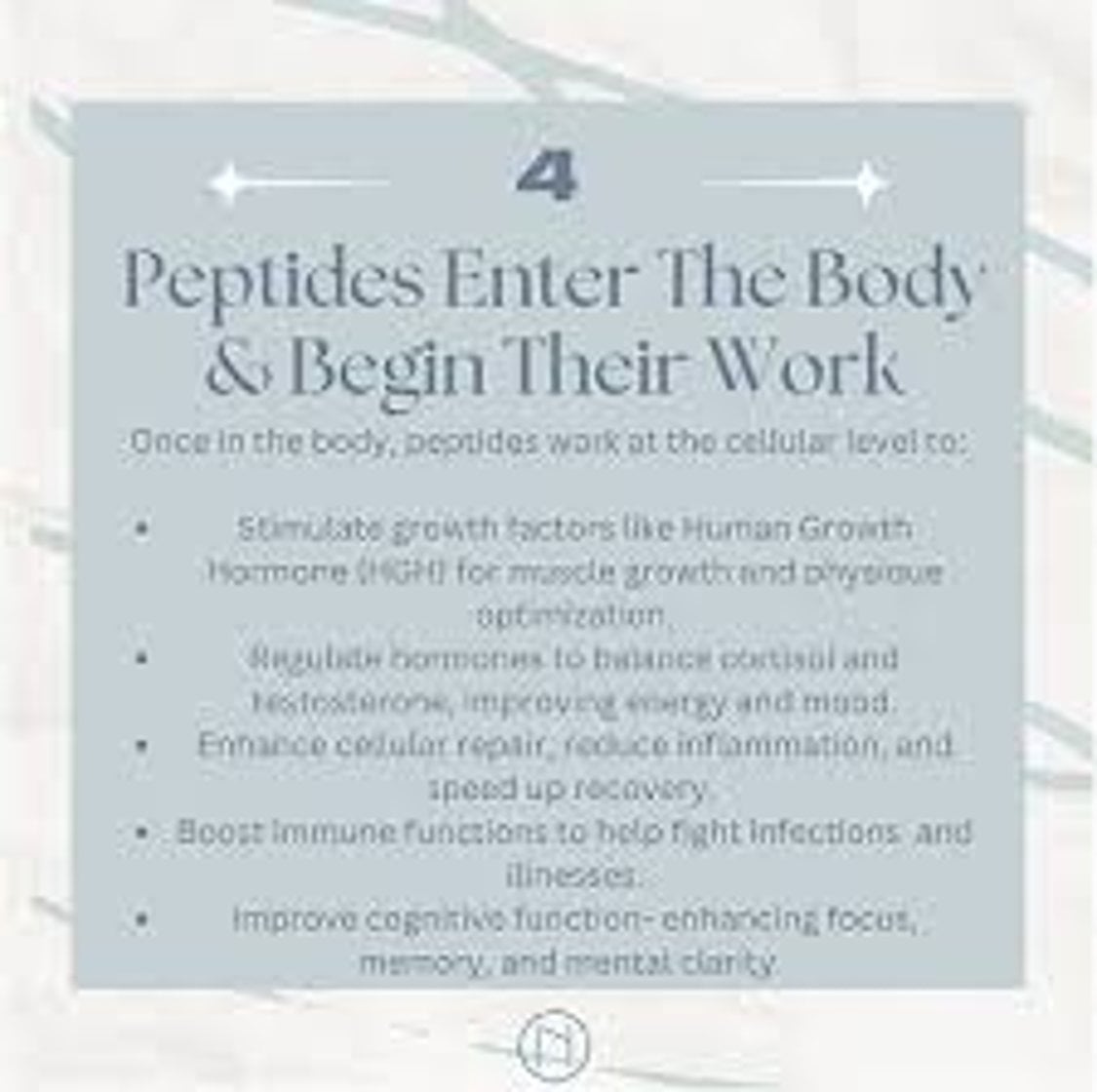
The Peptide Promise
First, let's understand what peptides actually are and why they became so popular for women in transition.
What Are Peptides?Peptides are short chains of amino acids - essentially small proteins - that act as signaling molecules in your body. They tell your cells what to do, when to do it, and how to respond to various situations.
Your body produces hundreds of different peptides naturally. They regulate:
Hormone production and balance
Tissue repair and regeneration
Immune system function
Sleep cycles and circadian rhythms
Metabolism and energy production
Skin collagen and elasticity
The Problem After 50:Like so many things in your body, peptide production declines significantly after age 40. This decline accelerates during perimenopause and menopause, contributing to many of the symptoms women experience:
Hot flashes and night sweats
Poor sleep quality and insomnia
Energy crashes and fatigue
Brain fog and cognitive issues
Skin changes and accelerated aging
Decreased muscle mass and strength
Slower recovery and healing
Why Women Turned to Peptide Therapy
For years, compounding pharmacies offered specific peptides that could supplement your body's declining production. These weren't hormones - they were signaling molecules that helped your body function more like it did when you were younger.
Women reported remarkable results:
Significant reduction in hot flashes
Improved sleep quality and duration
Restored energy levels
Enhanced mental clarity
Better skin quality and appearance
Improved body composition
Faster workout recovery
Unlike hormone replacement therapy (which many women can't or don't want to use), peptides worked differently - supporting the body's natural processes rather than replacing hormones directly.
Many women used peptides alongside other therapies (like bio-identical hormones) for even better results.
The Big Pharma Battle
Then came the pressure campaign.
Pharmaceutical companies, seeing the growing popularity of peptide therapy through compounding pharmacies, began lobbying the FDA to restrict access. Their arguments centered on safety and regulation - but the subtext was clear: they wanted to control the market.
Compounding pharmacies began facing increasing restrictions. Some peptides were banned. Others became extremely difficult to obtain. Quality concerns were raised (some legitimate, some not).
The result? Women who had found relief through peptides suddenly lost access to them.
The Timing Was Particularly Frustrating:This happened just as more research was validating what women already knew from experience - that certain peptides could be powerful tools for managing the transition through perimenopause and menopause.
Why This Matters for Functional Medicine
As a functional medicine practitioner, I approach health from a root-cause perspective. I'm always looking for interventions that:
Support the body's natural processes
Address underlying dysfunction, not just symptoms
Work synergistically with other therapies
Have strong safety profiles
Provide measurable results
Peptides checked all these boxes for many of my clients over 50.
When access disappeared, I had to tell clients, "Yes, that could help you, but I can no longer help you access it." That's not a conversation any practitioner wants to have.
The Gray Market Problem
The compounding pharmacy restrictions created another issue: the growth of gray-market peptide sources.
Women desperate for relief began ordering peptides from:
Overseas suppliers with questionable quality control
Online vendors with no medical oversight
Underground sources with unknown purity
This created real safety concerns. Without proper medical supervision, without quality testing, without appropriate dosing guidance - peptides could potentially cause harm.
I could not and would not recommend these sources to my clients, even as I understood their frustration.
What I've Been Researching
For the past several months, I've been on a mission: to find a way to bring safe, legal, physician-supervised peptide access back to my clients.
I knew there had to be a solution that would:
Operate within legal and medical frameworks
Provide proper physician oversight
Ensure quality and purity of peptides
Offer appropriate dosing and monitoring
Work within my scope of practice as a nutritionist
I wasn't willing to compromise on any of these requirements, which meant the search took time.
Why Physician Supervision Matters
This is crucial to understand: peptides, while generally safe, are powerful biological signaling molecules. They need to be:
Prescribed by qualified physicians
Dosed appropriately for individual needs
Monitored for effectiveness and side effects
Sourced from quality-controlled suppliers
Integrated into comprehensive health plans
This is not something you should do through gray-market sources or without medical oversight.
The Functional Medicine Integration
What excites me most about bringing peptides back into my practice isn't just the peptides themselves - it's how they integrate with everything else I do.
My approach has always been comprehensive:
Advanced biomarker testing to identify deficiencies
Personalized nutrition based on your genetics and needs
Targeted supplementation to fill specific gaps
Lifestyle optimization for sleep, stress, and movement
Hormone support when appropriate
Peptides fit perfectly into this framework. They're another tool - a powerful one - that can help optimize your biology for longevity and vitality.
What's Different About Peptides
Let me be clear about what peptides are and aren't:
Peptides ARE:
Naturally occurring signaling molecules
Supportive of your body's own processes
Useful for multiple symptoms simultaneously
Generally well-tolerated with proper supervision
Complementary to other therapies
Peptides ARE NOT:
A magic bullet or miracle cure
A replacement for foundational health work
Appropriate for everyone
Something to use without medical supervision
A substitute for comprehensive testing and monitoring
In my functional medicine practice, peptides are part of a comprehensive approach - not a standalone solution.
The Research Behind Peptides
While the compounding pharmacy controversy was happening, research on peptides was actually accelerating. Studies have shown potential benefits for:
Sleep and Circadian Rhythm:Certain peptides can help regulate sleep-wake cycles, improve deep sleep quality, and support natural melatonin production.
Metabolic Function:Some peptides support healthy glucose metabolism, fat burning, and muscle preservation - all crucial for women over 50.
Tissue Repair and Recovery:Specific peptides can enhance collagen production, support muscle repair, and improve overall tissue regeneration.
Immune Function:Certain peptides help modulate immune responses, reducing inflammation while supporting healthy immune surveillance.
Cognitive Function:Some peptides support brain-derived neurotrophic factor (BDNF) production, protecting cognitive function as we age.
This research validated what women were already experiencing - that peptides could be powerful tools for healthy aging.
Who Benefits Most from Peptide Therapy
In my practice, I've found peptides are most beneficial for women who:
Are navigating perimenopause or menopause
Have tried traditional approaches with limited success
Want natural support for hormone transitions
Are committed to comprehensive health optimization
Have specific symptoms like poor sleep or low energy
Want to maintain vitality and function as they age
Peptides work best when combined with:
Optimal nutrition and targeted supplementation
Regular exercise and movement
Stress management and quality sleep
Appropriate hormone support if needed
Regular biomarker testing and monitoring
Why I'm Excited About Friday's Announcement
I don't make announcements lightly. I've spent months researching and vetting to find the right solution.
What I'm sharing Friday represents a partnership that meets all my requirements:
Physician-supervised and medically sound
Legal and compliant with regulations
Quality-controlled and properly sourced
Integrated with comprehensive care
Accessible to my clients
This changes what's possible for women in our community who are navigating the transitions of aging.
What Questions Should You Be Asking?
If you're considering peptide therapy (or any new intervention), here are the questions I recommend:
About Safety:
Is this physician-supervised?
What quality controls are in place?
How is dosing determined?
What monitoring is included?
About Effectiveness:
What specific peptides are used for what symptoms?
What does the research show?
What results can I realistically expect?
How long before I see benefits?
About Integration:
How does this fit with my current health plan?
Does this interact with my medications?
Can this be combined with hormone therapy?
How is this monitored over time?
These are exactly the questions I asked in my vetting process.
The Bottom Line
The compounding pharmacy restrictions created a gap in women's healthcare options exactly when those options were becoming more important and more validated by research.
But that gap doesn't have to be permanent.
As a functional medicine nutritionist, my job is to find the best, safest, most effective tools to help my clients thrive - not just survive - through their 50s, 60s, 70s, and beyond.
I believe I've found a solution that brings peptides back as an option for my community - legally, safely, and effectively.
Stay tuned for Friday's announcement. If you've been frustrated by the loss of peptide access, or if you've been curious about whether peptides might help you, this is important information.
Your transition through perimenopause, menopause, and beyond doesn't have to mean accepting diminished energy, poor sleep, and accelerated aging.
There are tools available. Peptides are one of them. And Friday, I'm sharing how you can access them again.
To your empowered aging!
